
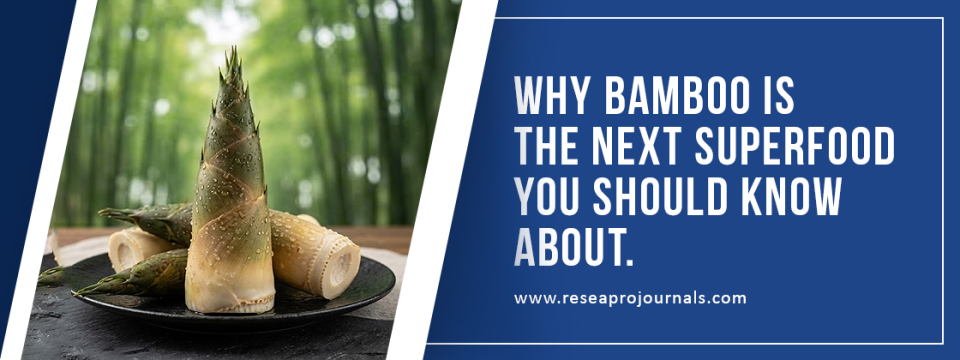
Why Bamboo Is the Next Superfood You Should Know About


Introduction
The increasing demand for sustainable, nutrient-rich, and bioactive food sources has accelerated global interest in emerging superfoods with functional and therapeutic value. Among these novel dietary resources, bamboo has gained remarkable scientific attention due to its exceptional Nutritional composition, medicinal properties, and ecological sustainability. Traditionally associated with construction, furniture, and paper industries, bamboo is now being recognized as a promising candidate in nutraceutical and functional food research.
Particularly, edible bamboo shoots contain a broad spectrum of biologically active compounds including dietary fibers, amino acids, polyphenols, flavonoids, vitamins, minerals, and antioxidant metabolites. These compounds demonstrate potential roles in metabolic regulation, cardiovascular protection, gastrointestinal health, immune modulation, and chronic disease prevention. As modern consumers increasingly seek plant-derived foods that support long-term wellness, bamboo-based nutritional products are emerging as a valuable component of preventive healthcare strategies.
What Is Bamboo as a Superfood?
Bamboo is a fast-growing perennial grass belonging to the Poaceae family. Although more than 1,500 bamboo species exist worldwide, only selected species produce edible shoots suitable for human consumption. These juvenile shoots are widely consumed in Asian countries and are now gaining international recognition as a functional dietary ingredient.
The term “superfood” refers to foods characterized by high concentrations of bioactive nutrients that contribute to physiological well-being and disease prevention. Bamboo shoots fulfill this criterion because they possess:
- High dietary fiber content
- Low fat and cholesterol levels
- Essential amino acids
- Potassium, calcium, magnesium, and phosphorus
- Phenolic antioxidants and phytosterols
- Anti-inflammatory and antimicrobial compounds
From a nutraceutical perspective, bamboo demonstrates both nutritional and pharmacological significance, making it highly relevant in modern biomedical food science.
How Does Bamboo Work as a Functional Food?
The health-promoting effects of bamboo are primarily associated with its phytochemical and biochemical composition. Bamboo shoots interact with multiple physiological pathways that support metabolic and cellular health.
1. Dietary Fiber Regulation
Bamboo shoots contain significant amounts of insoluble and soluble dietary fibers. These fibers improve gastrointestinal motility, regulate bowel function, and enhance satiety. Fiber-rich foods are also associated with reduced risks of obesity, type 2 diabetes, and colorectal disorders.
2. Antioxidant Activity
Phenolic compounds and flavonoids present in bamboo exhibit antioxidant properties that neutralize reactive oxygen species (ROS). Oxidative stress is a major contributor to cellular aging, inflammation, and chronic diseases such as cardiovascular disorders and cancer.
3. Lipid Metabolism Support
Research indicates that bamboo phytosterols may contribute to cholesterol regulation by reducing intestinal cholesterol absorption. This mechanism may help maintain healthy lipid profiles and cardiovascular function.
4. Immune and Anti-Inflammatory Functions
Bioactive compounds in bamboo demonstrate immunomodulatory and anti-inflammatory activities that may support host defense mechanisms and reduce systemic inflammation.
The scientific interest in bamboo largely focuses on its phytochemical diversity and metabolic functionality. Several bioactive constituents contribute to its therapeutic potential.
Polyphenolic Compounds
Bamboo shoots contain catechins, phenolic acids, and flavonoids that exhibit free radical scavenging activity. These compounds reduce oxidative damage at the cellular level and may inhibit inflammatory signaling pathways.
Prebiotic Potential
The fiber matrix of bamboo acts as a prebiotic substrate that supports beneficial gut microbiota. Improved gut microbial diversity has been linked with enhanced digestion, immune function, and metabolic homeostasis.
Low Glycemic Nutritional Profile
Bamboo possesses a low-calorie and low-glycemic nutritional profile, making it potentially beneficial for weight management and glycemic control. This characteristic is particularly valuable in dietary interventions targeting metabolic syndrome and diabetes.
Mineral Bioavailability
The mineral composition of bamboo contributes to bone metabolism, neuromuscular activity, and electrolyte balance. Potassium-rich foods are especially important in maintaining cardiovascular stability and blood pressure regulation.
Examples: -
The growing interest in bamboo has expanded its applications across multiple sectors of food science and nutraceutical development.
Functional Food Products
Bamboo shoots are increasingly incorporated into:
- High-fiber snacks
- Nutraceutical powders
- Plant-based soups and beverages
- Fermented food products
- Dietary supplements
Clinical Nutrition Research
Researchers are investigating bamboo-derived compounds for potential applications in:
- Obesity management
- Cardiovascular disease prevention
- Gut microbiome modulation
- Anti-aging nutritional therapies
Pharmaceutical and Biomedical Interest
Bamboo extracts are being explored for antimicrobial, anti-inflammatory, and antioxidant formulations within pharmaceutical research environments.
Sustainable Food Systems
Bamboo cultivation requires relatively low water input and demonstrates rapid biomass regeneration, making it an environmentally sustainable food source compared to many conventional agricultural crops.
Benefits and Limitations
Benefits: -
Nutritional Density
Bamboo offers substantial nutritional value with low caloric content, supporting balanced dietary intake.
Rich Source of Bioactive Compounds
Its phytochemical profile contributes to antioxidant and anti-inflammatory potential.
Cardiometabolic Support
Fiber and phytosterol content may assist in lipid regulation and metabolic health.
Gastrointestinal Health
Prebiotic fibers enhance digestive functionality and gut microbial balance.
Environmental Sustainability
Rapid growth and carbon sequestration properties make bamboo highly eco-friendly.
Limitations: -
Presence of Cyanogenic Compounds
Raw bamboo shoots may contain cyanogenic glycosides that require proper processing before consumption.
Limited Global Awareness
Despite its benefits, bamboo remains underutilized in many international food markets.
Standardization Issues
Variability in species composition, cultivation conditions, and processing methods may influence nutritional consistency.
Need for Clinical Validation
Although preliminary findings are promising, more large-scale clinical studies are required to confirm therapeutic efficacy in humans.
Perspectives of Bamboo in Nutraceutical Science
The future of bamboo-based nutrition appears highly promising due to the increasing convergence of sustainable agriculture, preventive healthcare, and functional food innovation. Scientific advancements in metabolomics, food biotechnology, and phytochemical extraction technologies may further enhance the utilization of bamboo-derived bioactive compounds.
Future research directions may include:
- Development of bamboo-based nutraceutical formulations
- Nanoencapsulation of bamboo phytochemicals
- Personalized nutrition applications
- Gut microbiome-targeted therapies
- Functional beverages enriched with bamboo extracts
Additionally, the global shift toward plant-based dietary systems is expected to increase commercial and scientific interest in bamboo as a next-generation superfood.
Bamboo is rapidly transitioning from a traditional ecological resource to a scientifically recognized functional superfood with broad nutraceutical potential. Its unique combination of dietary fiber, antioxidants, minerals, and therapeutic phytochemicals positions it as a promising candidate in preventive nutrition and biomedical food research.
As researchers continue to explore its metabolic and pharmacological properties, bamboo may become an integral component of sustainable healthcare-oriented diets and advanced functional food systems. With proper scientific validation and industrial innovation, bamboo has the potential to redefine the future landscape of plant-based nutrition.
If you're working on Nutraceuticals and Health, why not take it further? With Reseapro Journals, you can publish faster and reach a global academic audience. Start your submission today and amplify your research impact.
Reviews & Comments
No reviews yet. Be the first to write one.